Call It Design Thinking, Design Doing, Creative Intelligence, or Something Else, the Process is Consistently Similar
Let’s call it ‘Design & Build Thinking,’ because that way we highlight the reality that a core part of this habit is a bias toward action. That bias toward action involves such things as creating a prototype, testing it, trying it out, iterating, getting feedback, and then trying again.
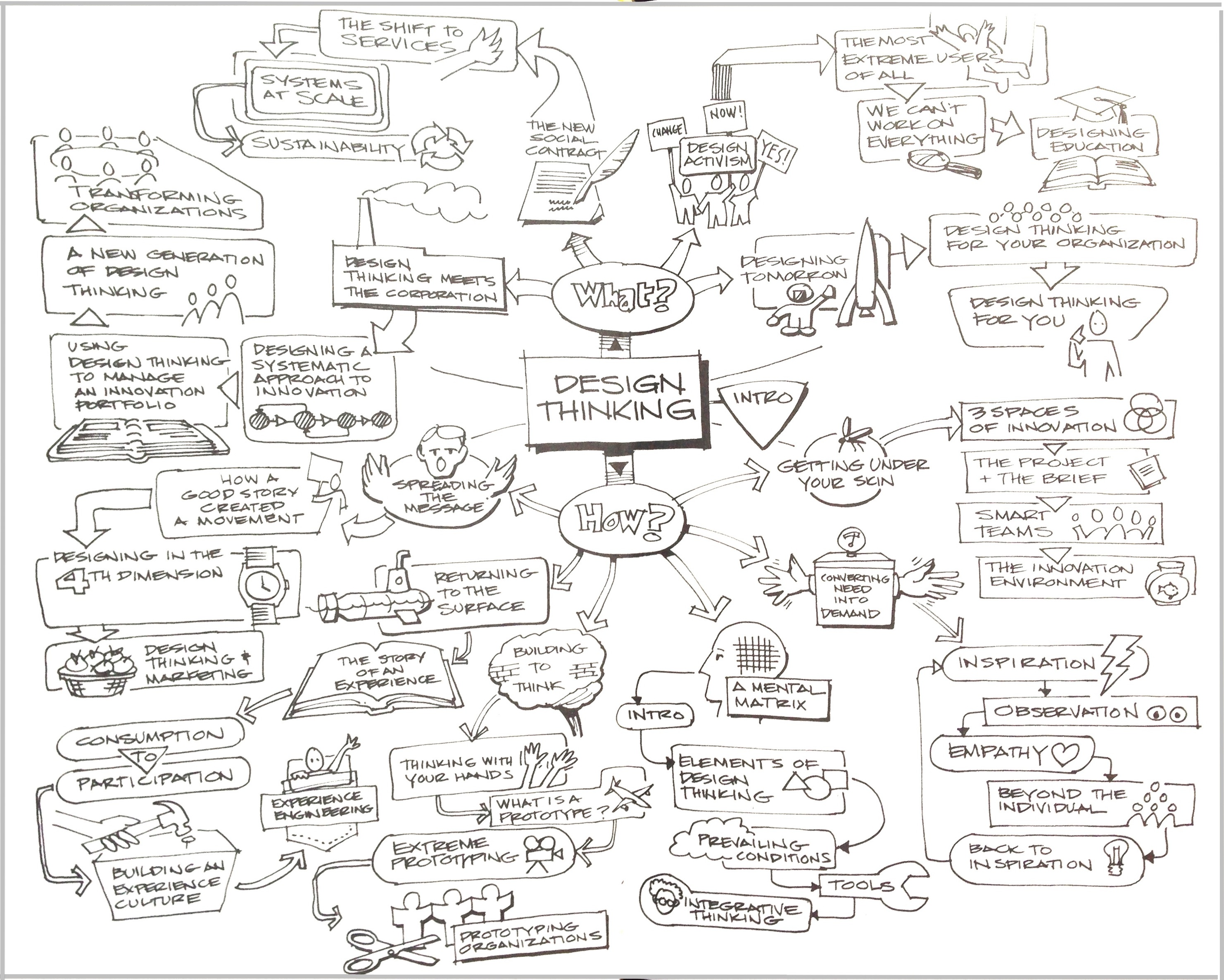
The Process – in a Nutshell
Step 1: Deep Dive into Empathy: The critical first step is the deep dive into understanding the real needs, desires, and lives … of those you’re innovating for.
Step 2: Reframe the Problem: Your understanding of the problem will have changed after Step 1. Now reframe it – in a far more creative way.
Step 3: Ideate: Let the ideas flow, engage in structured debate, get the best out of your collaboration process, and generate new options and solutions.
Step 4: Prototype, Test, Build, Experiment: This is the bias toward action. It’s also backed up by the science. It’s a part of the process that takes advantage of multiple parts of the brain.
Step 5: Iterate, Revise, Redo, Improve: And keep repeating Step 4 and this Step 5 until you succeed.
Check Out these Resources:
For an in-depth review of Design Thinking, a great place to start is Tim Brown’s Change by Design: How Design Thinking Transforms Organizations and Inspires Innovation.
For a quick overview of the steps in Design Thinking, see the 4-step version titled ‘Design-Driven Innovation‘ in Creative Confidence, by Tom Kelley and David Kelley.
Or for a helpful summary of the 5-step version, similar to the one above, see Bernard Roth’s ‘A Note About Design Thinking,’ in The Achievement Habit, Chapter 1.