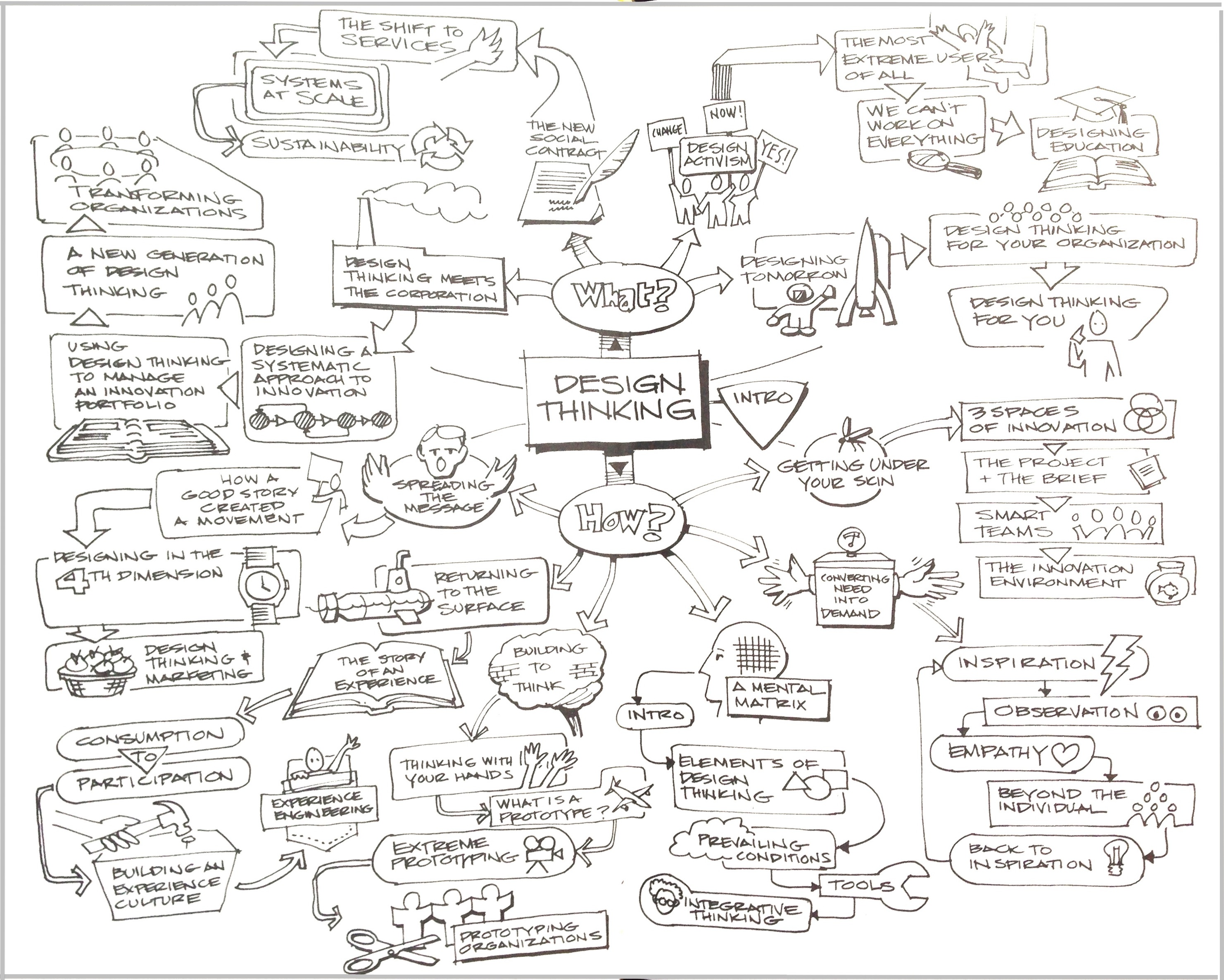
2014: The Year of the Idea
In what could be considered an open, city-wide exercise in design thinking, the Toronto Star has teamed up with the University of Toronto’s Martin Prosperity Institute and urban innovation nonprofit Evergreen CityWorks to try to make 2014 a year where Torontonians re-engage and reinvent their city.
The initiative, called the “Year of the Idea,” is suitably ambitious and aims to get Torontonians to actively take part in the effort to reinvent.
On January 4, the Toronto Star’s editorial board and columnist Christopher Hume laid out in stark terms the case for dramatic new thinking. Traffic alone has “grown exponentially” and resulted in “ever-worsening gridlock.” Infrastructure is “crumbling,” and “the entire civic infrastructure – sewers, roads, sidewalks, power grid – is undermaintained and increasingly inadequate.”
Income inequality and poverty have produced a “growing gap between rich and poor.” The city’s public life has morphed into “recessionary politics, polarized politics and a leadership vacuum.” The result has been a “loss of optimism,”“a lack of confidence” and “failure of trust in civic leadership.”
At the same time, everyone has vivid memories of a Toronto once admired as “the city that works” and a city that newcomers flocked to because Torontonians had made it “one of the most inviting places on the planet.”
Those memories fuel hope of what Toronto could once again be. So the initiative’s plan of action is very clear: what is needed “is a fresh injection of inspiration, and that comes through bold ideas and shrewd innovation.” Christopher Hume writes that we need to “rediscover the power of an idea to change the way we live.”
The ambitious but simple plan is to “go back to basics and remind ourselves how imagination, dreams and ideas can transform not just the city, but the world.” The aim is to get Torontonians to “reimagine Toronto and regain control of our civic destiny.”
“We must learn how to tackle them [all these problems] one by one” Hume writes, and to do that, he says, “we need new approaches, proposals and suggestions, new ways of thinking and new ideas.”
It’s a great call to action. In slightly different terms, it’s a call to get every Torontonian to think … like an innovator.
If you have experience in innovation though, you’ll be the first to understand that the challenge is daunting: the task of generating these new ideas, putting aside politics, getting people to collaborate, and then actually implementing the agreed innovative solutions, is arguably even more challenging than the very problems themselves.
D.G.
(Next post on Monday … till then, D.G.)